In Anguilla, they use Type A and B plugs and sockets. The mains voltage is 110 V, and the frequency is 60 Hz.
So, you’ll definitely need a travel adaptor in Anguilla. Their plugs and sockets aren’t the same as our Type G back in the UK.
Key Takeaways
- Plugs and sockets: A and B
- Mains voltage: 110 V
- Frequency: 60 Hz
- Travel adaptor needed? Yes, you do need a travel adaptor
- Voltage converter needed? You may need a voltage converter for certain devices.
- Recommended travel adaptor: AUNNO Universal Travel Adaptor
The details provided here come directly from local electricity authorities, international standards such as the IEC, and practical feedback shared by travellers across the globe.
Sockets in Anguilla
In Anguilla, you’ll find Type A and B plugs and sockets.
Type A

Type A sockets have two flat parallel pins and no grounding. Unlike Type G, they don’t include an earth pin, which makes them less secure.
Type B

Type B sockets have two flat parallel pins plus a round grounding pin. Unlike Type G, the pins are thinner and there’s no built-in fuse.
Recommended Travel Adaptor for Anguilla
Choosing the wrong travel adaptor can damage your devices — or worse, leave you without power. We don’t sell them. But we’ve tested and researched the best option for your trip, looking at voltage, safety, price, charging speed and durability. Here’s our top choice:


Forgotten your adaptor and already abroad? Don’t worry — airports and local shops usually stock them. That said, packing your own saves you from high prices and poor quality.
Anguilla is often paired with nearby islands like Antigua and Barbuda, Barbados and Saint Martin. Worth having a look at those pages too — plugs and sockets can vary from one island to the next.
Do You Need a Voltage Converter?
You’ll probably need a voltage converter in Anguilla for certain devices, as the mains supply there doesn’t match ours. In the UK we use 230 V, so the voltage isn’t the same.
Always check the voltage label before you plug in abroad. If it reads ‘100–240 V, 50/60 Hz’, your kit will work just fine without a converter — most modern laptops, tablets and chargers already do.

Top Travel Essentials to Take With You
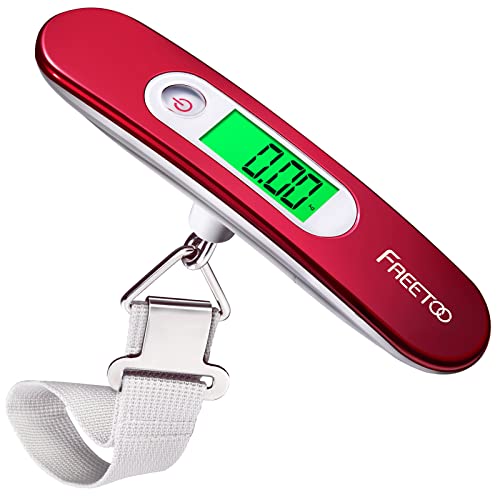
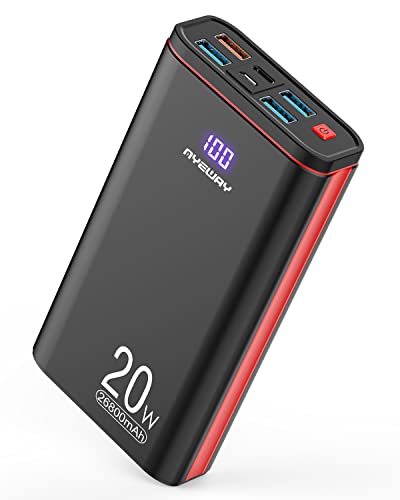
A few smart extras can make travelling so much easier. A digital luggage scale saves you from nasty surprises at the airport, a power bank keeps your phone alive when you need it most, and packing cubes stop your suitcase turning into chaos. We’ve tried and tested them ourselves, and they really do make a difference.